Tiếng Việt
 English

Market Information
| Market | Avg.Price | Change |
|---|---|---|
| FOB (HCM) (USD/Ton) | 1.974,00 | -1400.00 |
| Đắk Nông (Milion VND/Ton) | 100200.00 | 1900.00 |
| Gia Lai (Milion VND/Ton) | 100000.00 | 1800.00 |
| Lâm Đồng (Milion VND/Ton) | 99500.00 | 2100.00 |
| Last Updated | 23/01/2026 02:13 | |



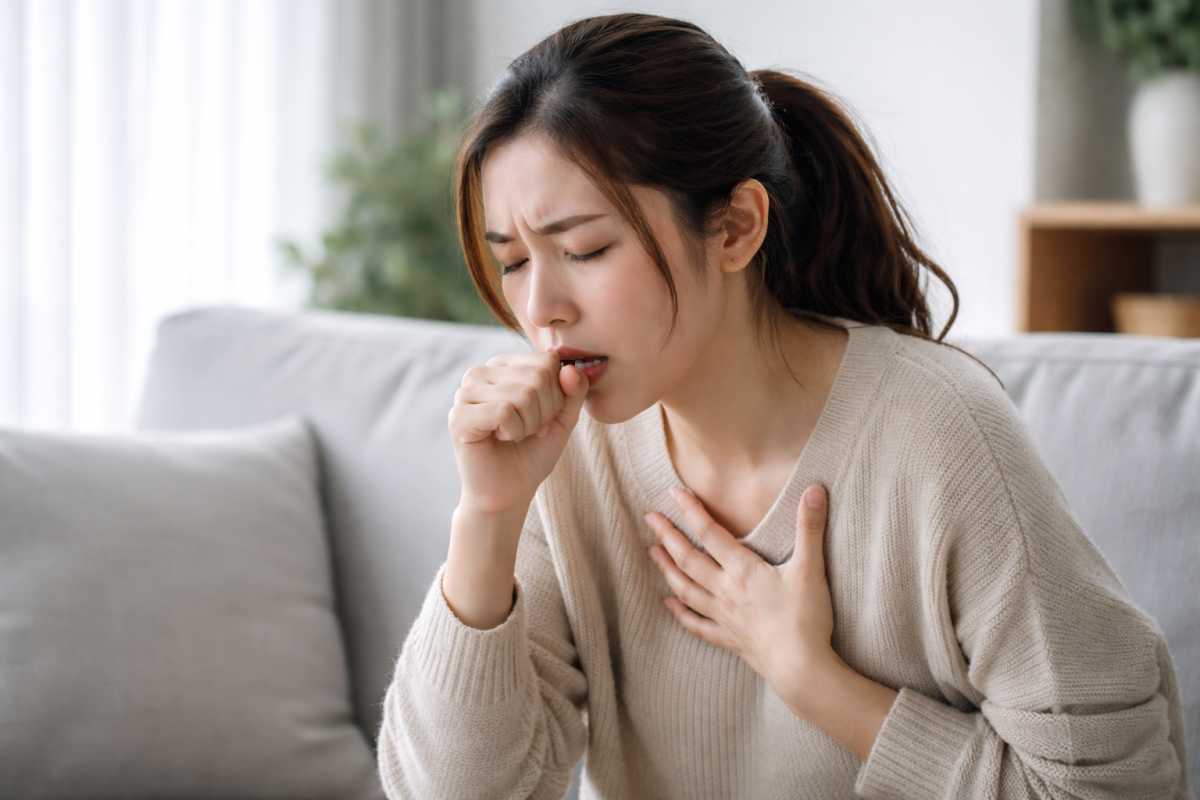
If pneumonia is not treated promptly, it can lead to pleural effusion, respiratory failure, sepsis, and many other dangerous complications.
Pneumonia is an infection of the lower respiratory tract caused by various pathogens such as bacteria, viruses, fungi, or atypical microorganisms. Patients commonly experience symptoms including cough (sometimes coughing up blood), fever, shortness of breath, chest pain, fatigue, and body aches.
The incidence of pneumonia often increases during winter, especially among young children, the elderly, and people with underlying health conditions. Cold weather dries out the protective mucus layer of the respiratory tract, causes bronchial constriction, and weakens the immune system. Living in enclosed, crowded spaces also increases the risk of transmission. People with poor health or incomplete vaccination are more susceptible to infection and complications if not treated promptly.
A lung abscess is a severe infection in which lung tissue becomes necrotic, forming one or more pus-filled cavities containing bacteria and dead cells. This complication is often caused by bacteria from the mouth or throat being aspirated into the lungs. When diagnosis or treatment is delayed, pus can accumulate extensively, requiring drainage with a needle or tube, along with prolonged antibiotic therapy.
Pleural effusion is a common complication of pneumonia. Fluid accumulates between the two layers of the pleura and may become infected, causing chest pain and difficulty breathing. Severe cases require urgent drainage or surgery, combined with weeks of antibiotic treatment.
Respiratory failure and acute respiratory distress syndrome (ARDS) can occur when pneumonia becomes severe or progresses to sepsis, causing the lungs to lose their ability to exchange oxygen. Patients may require oxygen therapy or mechanical ventilation.
In cases of sepsis or septic shock, low blood pressure and reduced blood flow to organs can lead to acute kidney failure, sometimes requiring dialysis.
Meningitis and encephalitis occur when the causative pathogens spread to the central nervous system, leading to headaches, altered consciousness, drowsiness, vomiting, or coma. Treatment depends on the cause and may involve antibiotics, antiviral drugs, or antifungal medications.
Sepsis is a dangerous complication of pneumonia that occurs when bacteria or toxins from a lung infection enter the bloodstream, triggering a systemic inflammatory response. This condition can cause low blood pressure, blood clotting disorders, respiratory failure, kidney failure, liver failure, and can rapidly progress to multi-organ failure. Patients often experience high fever or hypothermia, rapid breathing, rapid heart rate, confusion, and reduced urine output. Without prompt diagnosis and aggressive treatment, sepsis carries a high risk of death.
Lê Nguyễn (According to Times of India)
| Market | Avg.Price | Change |
|---|---|---|
| FOB (HCM) (USD/Ton) | 1.974,00 | -1400.00 |
| Đắk Nông (Milion VND/Ton) | 100200.00 | 1900.00 |
| Gia Lai (Milion VND/Ton) | 100000.00 | 1800.00 |
| Lâm Đồng (Milion VND/Ton) | 99500.00 | 2100.00 |
| Last Updated | 23/01/2026 02:13 | |
| Delevery |
Price (USD/Ton) |
+/- | % |
|---|---|---|---|
| 01/26 | 4253.00 | 127.00 | 3.08 |
| 03/26 | 4078.00 | 137.00 | 3.48 |
| 05/26 | 3984.00 | 120.00 | 3.11 |
| 07/26 | 3909.00 | 104.00 | 2.73 |
| 09/26 | 3850.00 | 91.00 | 2.42 |
| Last Updated | 23/01/2026 02:13 | ||
| Delevery |
Price (U.S cent/Pound) |
+/- | % |
|---|---|---|---|
| 03/26 | 347.50 | 1.00 | 0.29 |
| 05/26 | 330.80 | 0.90 | 0.27 |
| 07/26 | 324.25 | 0.70 | 0.22 |
| 09/26 | 318.25 | 0.55 | 0.17 |
| 12/26 | 313.20 | 0.35 | 0.11 |
| Last Updated | 23/01/2026 02:13 | ||

@2015 Buonmathuot Coffee And Commodity Exchange. All Rights Reserved