Tiếng Việt
 English

Market Information
| Market | Avg.Price | Change |
|---|---|---|
| FOB (HCM) (USD/Ton) | 1.974,00 | -1400.00 |
| Đắk Nông (Milion VND/Ton) | 100200.00 | 1900.00 |
| Gia Lai (Milion VND/Ton) | 100000.00 | 1800.00 |
| Lâm Đồng (Milion VND/Ton) | 99500.00 | 2100.00 |
| Last Updated | 23/01/2026 02:13 | |




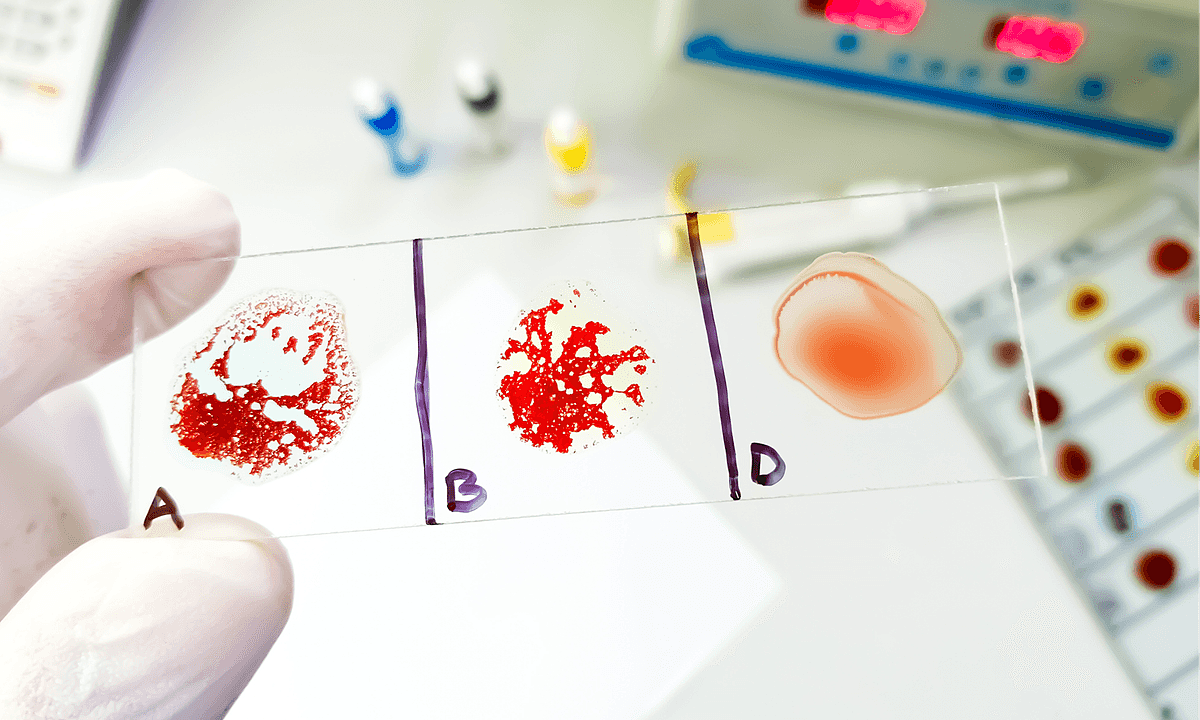
Các bác sĩ tại Chiết Giang vừa phát hiện người phụ nữ mang nhóm máu "Bombay giả" (Para-Bombay) loại B, biến thể di truyền cực hiếm được ví như "máu khủng long" với nguy cơ tử vong rất cao nếu truyền nhầm nhóm máu O thông thường.
On January 22, Ningbo First Hospital, affiliated with Ningbo University, confirmed a rare medical case involving Ms. Zheng, a local resident who had just been discharged after a successful surgery. Prior to the operation, during routine preoperative testing, the hospital’s Blood Transfusion Department detected a serious abnormality in her ABO blood typing results, as the forward and reverse typing reactions did not match. Doctors immediately halted the standard procedure and proceeded with in-depth genetic analysis.

Illustration: The Scientist
Gene sequencing results confirmed that Ms. Zheng carries a mutation in the FUT1 gene. Medically, the human body requires a “foundation layer” known as the H antigen to build the A or B blood group “structures.” In individuals with the para-Bombay phenotype like Ms. Zheng, the genetic mutation prevents the body from producing this foundation layer, even though she carries the genetic blueprint for blood type B. Due to the absence of the H antigen, routine rapid tests cannot correctly identify her blood type and may easily misclassify it as type O.
Medical experts refer to this condition as “dinosaur blood” because of its extremely low prevalence—only about one in tens of thousands to hundreds of thousands of people—making it even rarer than the so-called “panda blood” (RhD-negative). Once the exact blood type was confirmed, the hospital activated a “red alert” protocol and convened a multidisciplinary consultation to determine the safest approach. The surgery was then carried out successfully using meticulous hemostatic measures, and the patient did not require blood transfusion from other donors.
Mr. Lu Dingfeng, Head of the Blood Transfusion Department at Ningbo First Hospital, emphasized that transfusion for patients with the Bombay or para-Bombay blood group is a medical “no-go zone.” Because these patients naturally produce antibodies against the H antigen, transfusing any standard blood unit can be life-threatening. Notably, blood type O—commonly regarded as a universal donor in the general population—is actually the most dangerous for Bombay patients, as type O red blood cells contain the highest levels of H antigen. If mistakenly transfused, the recipient’s antibodies will violently attack the donor red blood cells, causing acute hemolysis, kidney failure, and potentially fatal shock almost immediately.
In emergency situations, the only viable solutions for such patients are autologous blood transfusion (blood collected and stored prior to surgery) or specially frozen blood from a national rare blood bank. Doctors advise the public—especially relatives of individuals with rare blood types—to proactively undergo screening due to the hereditary nature of the condition. People with unclear or difficult-to-identify blood typing results should seek evaluation at major hematology centers, keep detailed medical records, or consult about autologous blood storage procedures to safeguard their lives in critical situations.
Bình Minh (Theo Ningbo Evening News)
| Market | Avg.Price | Change |
|---|---|---|
| FOB (HCM) (USD/Ton) | 1.974,00 | -1400.00 |
| Đắk Nông (Milion VND/Ton) | 100200.00 | 1900.00 |
| Gia Lai (Milion VND/Ton) | 100000.00 | 1800.00 |
| Lâm Đồng (Milion VND/Ton) | 99500.00 | 2100.00 |
| Last Updated | 23/01/2026 02:13 | |
| Delevery |
Price (USD/Ton) |
+/- | % |
|---|---|---|---|
| 01/26 | 4253.00 | 127.00 | 3.08 |
| 03/26 | 4078.00 | 137.00 | 3.48 |
| 05/26 | 3984.00 | 120.00 | 3.11 |
| 07/26 | 3909.00 | 104.00 | 2.73 |
| 09/26 | 3850.00 | 91.00 | 2.42 |
| Last Updated | 23/01/2026 02:13 | ||
| Delevery |
Price (U.S cent/Pound) |
+/- | % |
|---|---|---|---|
| 03/26 | 347.50 | 1.00 | 0.29 |
| 05/26 | 330.80 | 0.90 | 0.27 |
| 07/26 | 324.25 | 0.70 | 0.22 |
| 09/26 | 318.25 | 0.55 | 0.17 |
| 12/26 | 313.20 | 0.35 | 0.11 |
| Last Updated | 23/01/2026 02:13 | ||

@2015 Buonmathuot Coffee And Commodity Exchange. All Rights Reserved